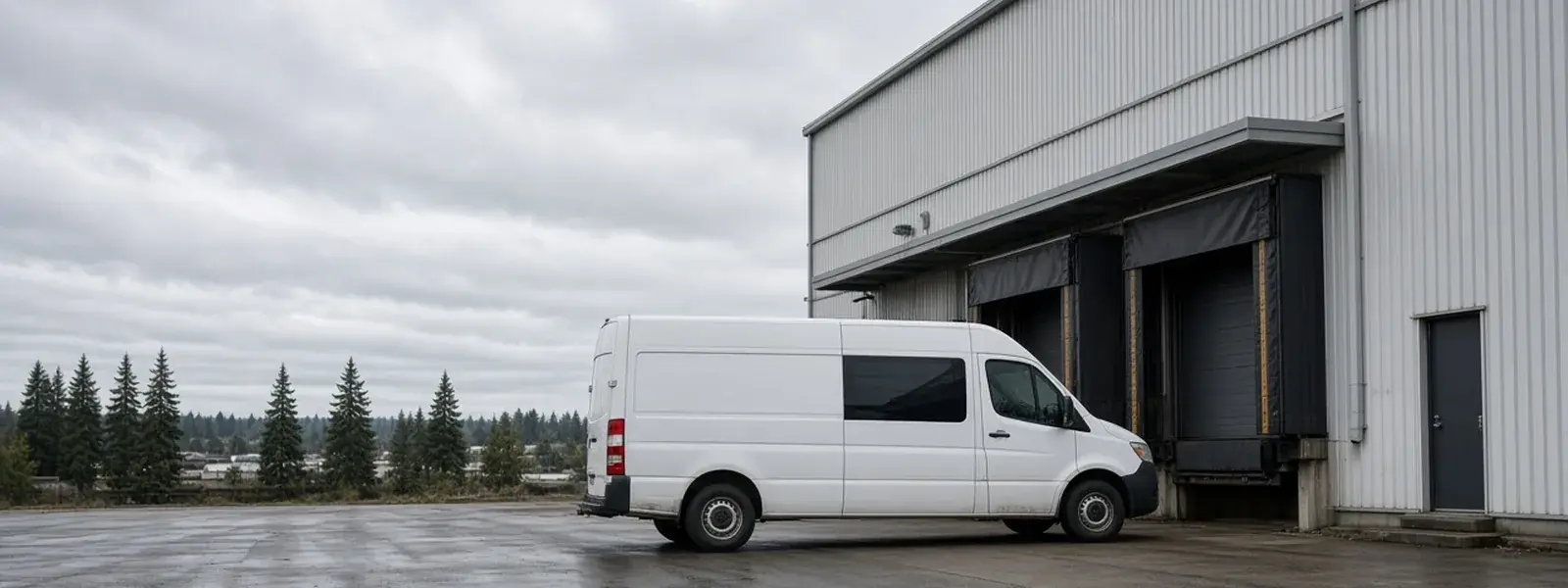
Langley Quality Commercial HVAC runs Highway 7 into Mission for older downtown commercial, railway-adjacent shops, and the smaller packaged units that serve a city this size. Mission is wetter than Langley. It sits farther up the Fraser Valley, closer to the mountains, and the rain shows up on every cabinet seam.
Downtown along 1st Avenue and Horne Street is 1 and 2-storey stock. Some of it still has a packaged RTU that was the first 'modern' system the building ever had. Some of it is splits in the alley, looking at the CPR corridor. These are not 25-ton distribution machines.
The railway and Highway 7 cut the commercial core in a way Abbotsford's airport parks never do. Access, soot, and moisture off the river are part of the diagnosis, not colour commentary.
Why Mission buildings call
Highway 7 downtown is older, smaller rooftops
1st Avenue and Horne still run 3 to 10 ton packages and alley condensers. Clearances are tight. Curbs are original. The failure is usually drainage, ignition, or a seized outdoor fan, not a high-bay heater.
The CPR corridor adds grit and awkward outdoor placement
Condensers and intakes along the railway collect brake dust and soot. Coils load. Units get stuffed into alleys that recirculate their own heat.
East Fraser Valley rain is harder on cabinets
Mission picks up more moisture than the Township prairie. Economizer linkages rust, inducers ingest wet air, and condensate never really dries in the shoulder seasons.
Solutions we run in Mission
- Commercial HVAC Repair
- Rooftop Unit Repair
- Rooftop Unit Replacement
- Commercial AC Repair
- Commercial Heating Repair
- Commercial HVAC Installation
- Commercial HVAC Maintenance
- Packaged Rooftop Units
- Make-Up Air Units
- VRF / VRV Systems
- Commercial Ductwork
- Emergency Commercial HVAC
The Mission stock
Mission's downtown commercial is a hillside grid above the Fraser, not a flat industrial park. 1st Avenue, Horne, and the Highway 7 couplet put retail and offices in older 1 and 2-storey buildings. A lot of those roofs took a packaged unit in the 90s or 2000s as a replacement for electric heat or a dying furnace. The curb was cut into a roof that was never meant for it. Flashing is tired. We find supply leaks in the top-floor ceiling before anyone notices the cabinet is sitting in a puddle. These units are 3 to 10 tons. Treating them like a Gloucester RTU wastes the visit.
The railway is not a postcard detail. The CPR mainline and the Mission rail bridge put freight through the core. Outdoor sections in the alleys along that corridor take metallic dust and diesel film. Condenser fins load from the wrong side. A 'low air' call on a Horne Street split is often a coil you can't see from the sidewalk. We pull the unit far enough to wash it, or we tell the owner the placement is working against them. Intakes that face the tracks also pull grit onto evaporator filters faster than a plaza unit on a quiet Langley side street.
Wetter climate is measurable here. Mission sits farther east and closer to the Coast Mountains than Langley or even Abbotsford's west side. Cabinets stay wet. Heat exchanger seams rust. Pressure switches lock out because the condensate in the collector never drains clean. Economizers on the few larger packages (a grocer, a civic building) seize in the closed position, so the compressor runs on days that should have been free-cooling days. We bring penetrating oil, extra fasteners, and the assumption that every outdoor section has been wet since October.
Smaller RTUs change the parts and the process. We are checking a single-stage gas valve, a small inducer, a 1/4 hp condenser fan, and a coil that may be a 3-ton A-coil in a closet instead of a 20-ton curb. Some Mission shops never got a rooftop at all. They have a furnace in a back room and a condenser in the alley. Line-set length, trap configuration, and combustion air in a tight mechanical room matter more than walk-pad layout. Highway 11 down to Abbotsford is how a lot of parts still move. We plan that into a no-cool on a Friday.
Hatzic and the east side of town add another moisture story. Low commercial and shop buildings toward the wetter pockets see the same floodplain logic as Pitt Meadows, just with older cabinets and fewer service records. Downtown Mission and the Highway 7 strip are not interchangeable with those low sites. One has alley splits and tight roofs. The other has standing moisture and rust. We ask which side of the tracks and which side of the highway before we guess at the equipment. Call Langley Quality Commercial HVAC if a unit is down.