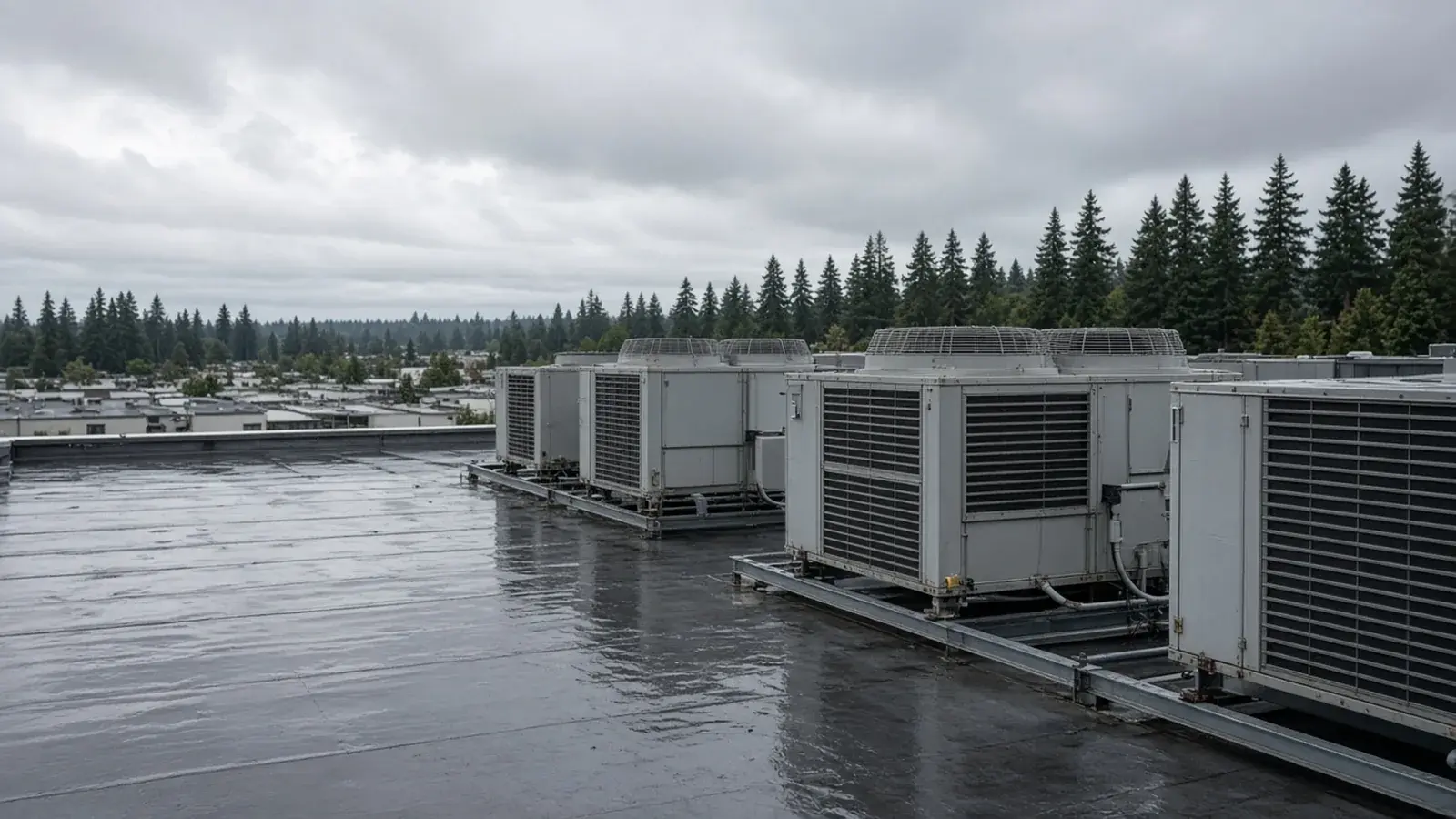
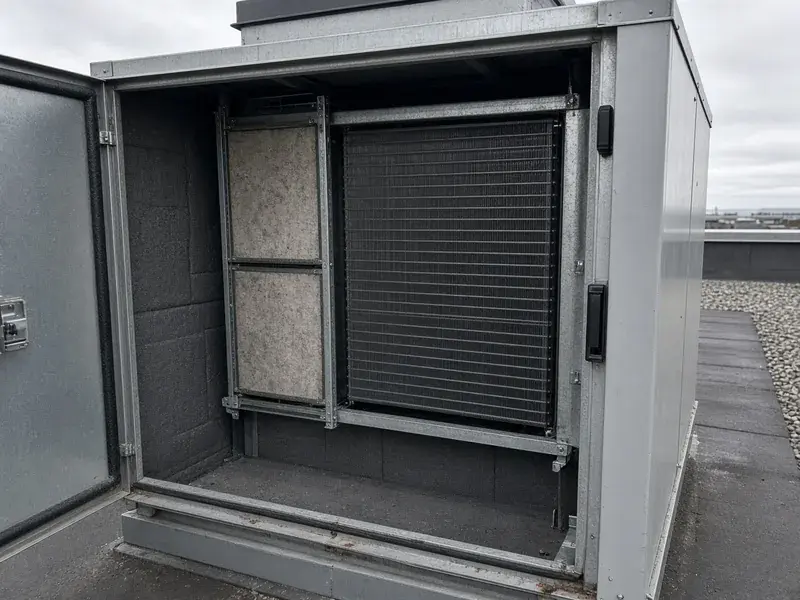
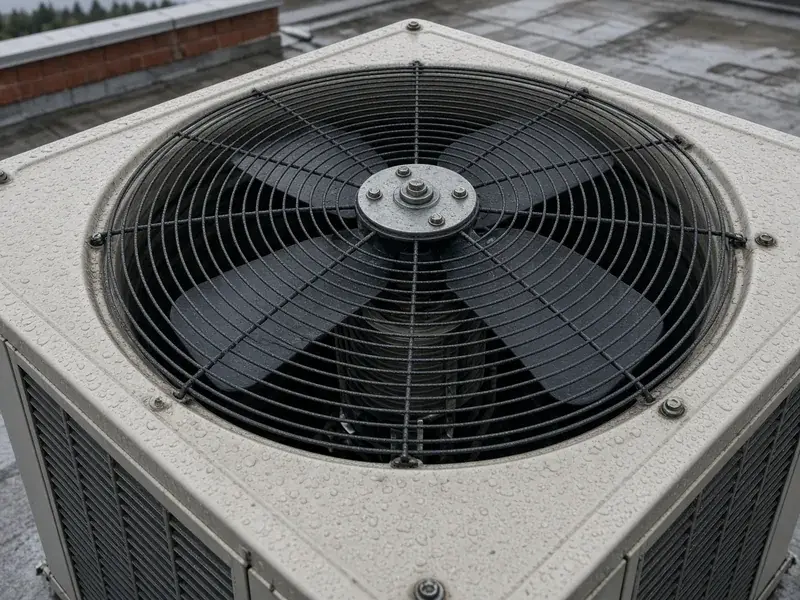
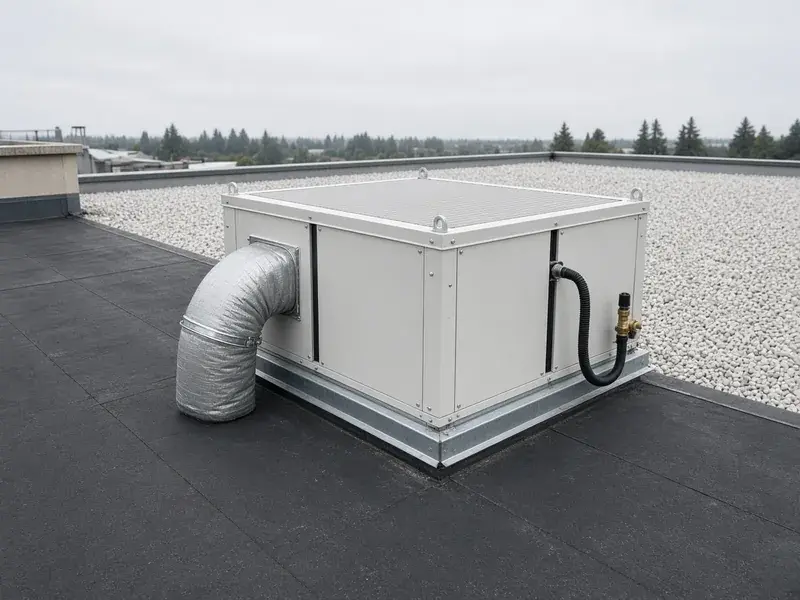
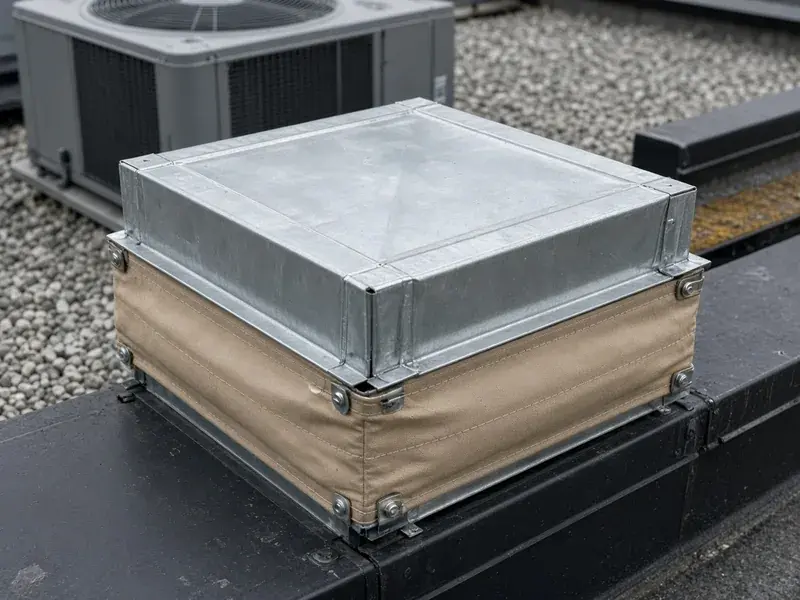
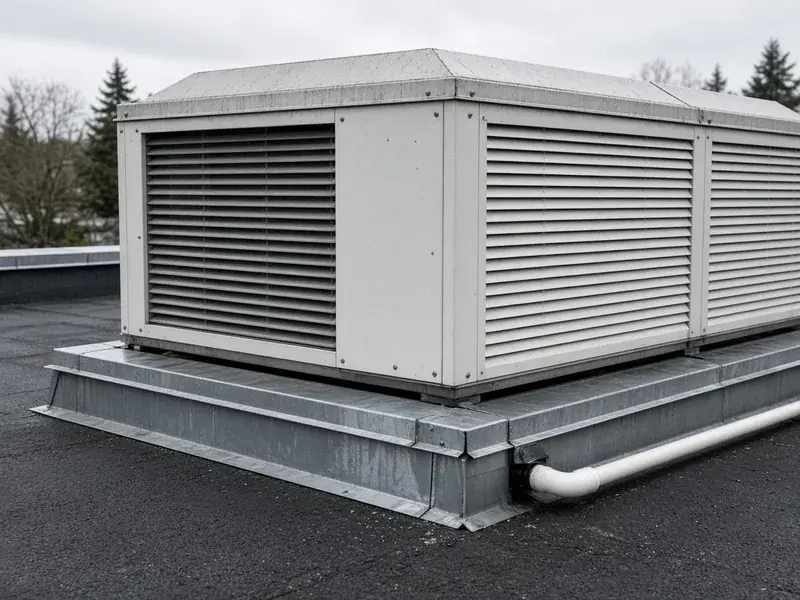
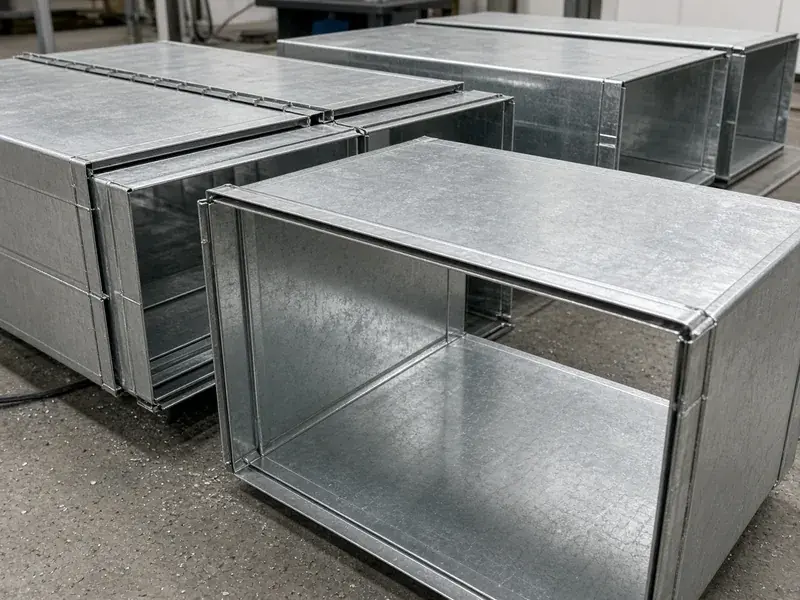
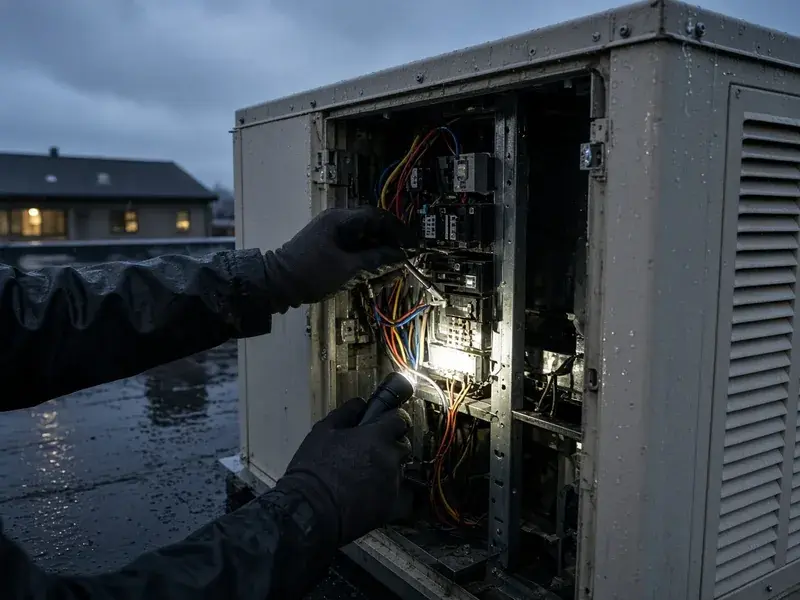
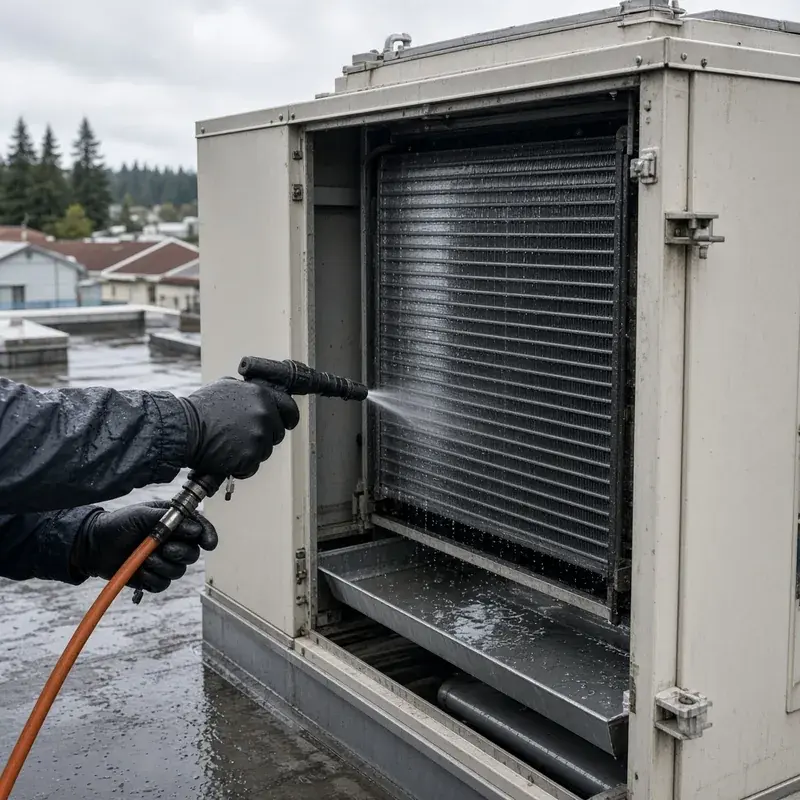
Commercial HVAC work in Langley starts with the data plate and the system type, not a brochure. Packaged rooftops from Carrier, Lennox, Trane, York, and Rheem still sit on a lot of plazas along 200 Street and the Bypass, but we also see indoor air handlers, split condensers, VRF banks, and make-up air. We match incoming voltage (208/230 or 460), gas manifold pressure, and the existing connections before anyone orders a cabinet. On a rooftop changeout, a curb adapter is specified when the replacement footprint does not match. Leaving that to the crane day is how you get a leaking roof opening.
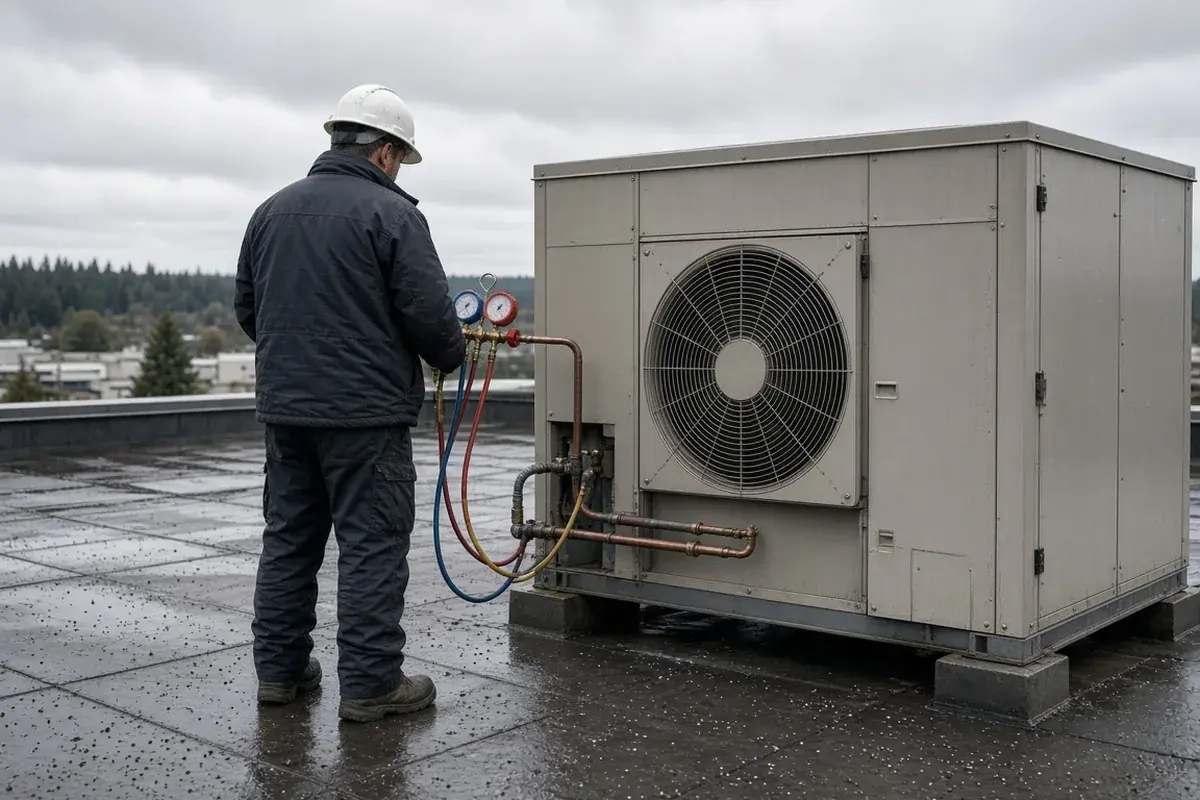
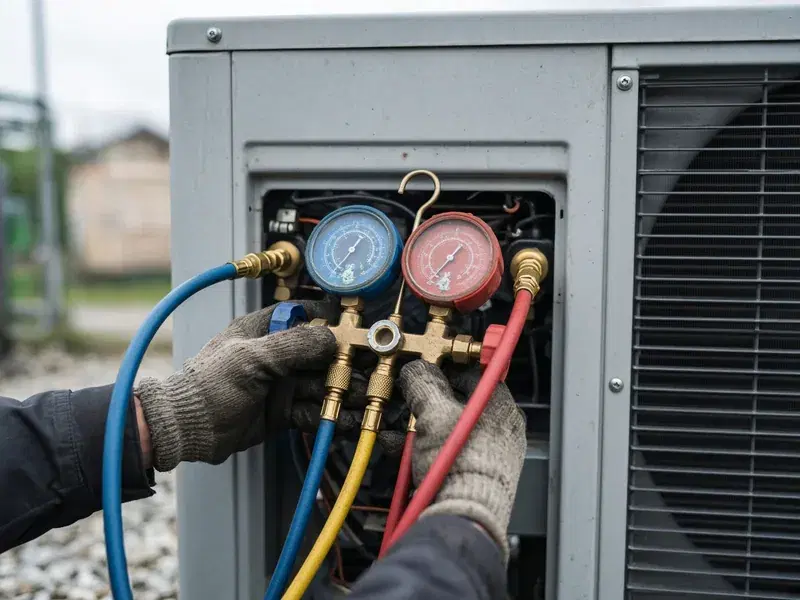
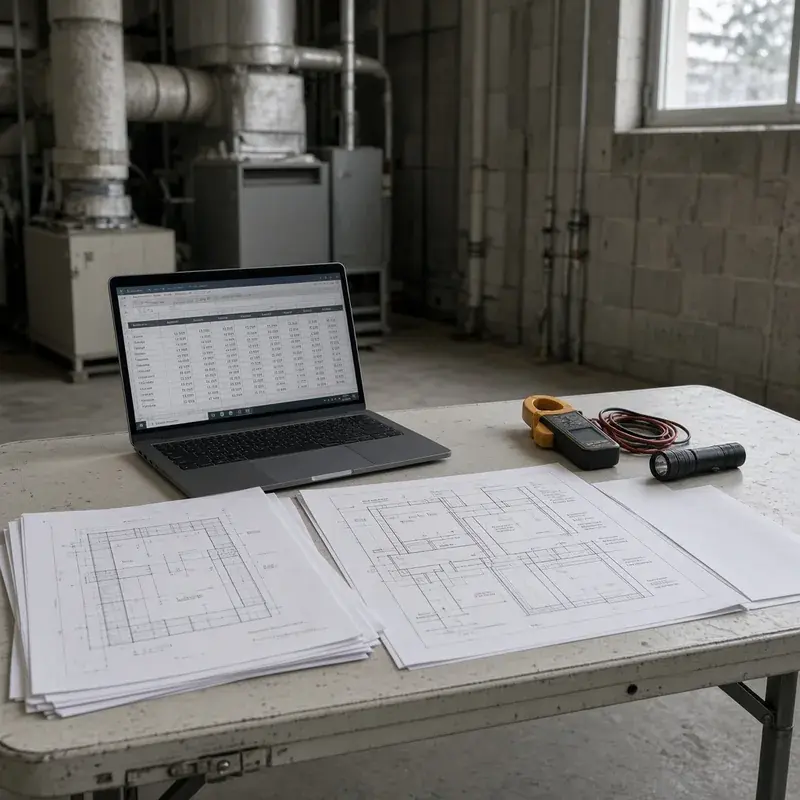
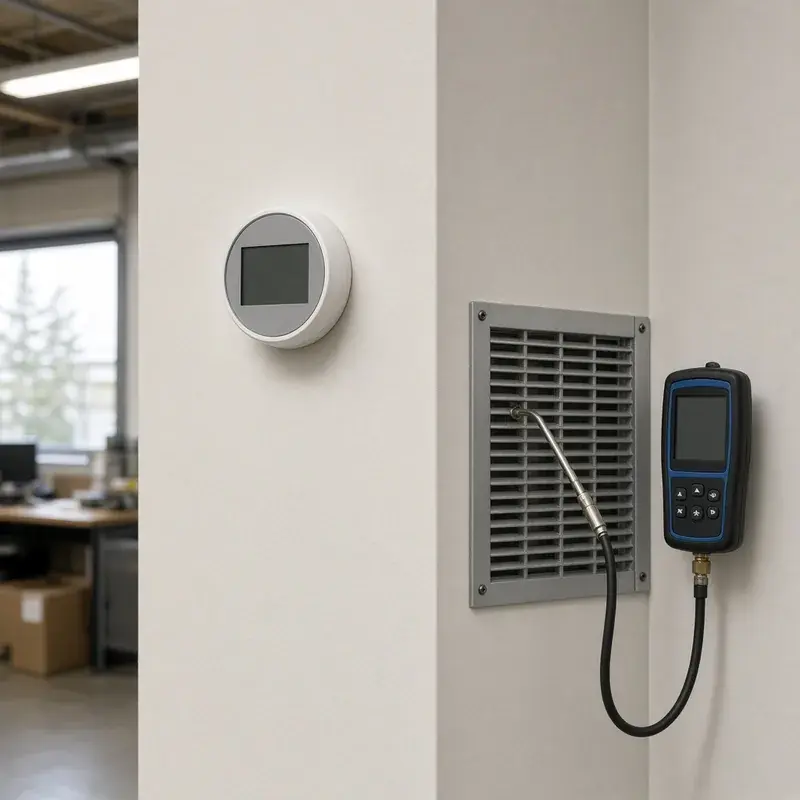
Cooling performance is judged on superheat, subcooling, and condenser saturation, not on whether the supply feels cold to a hand. We use manifold gauges or digital probes, a clamp meter, and a manometer for external static pressure. ASHRAE comfort targets and the BC Building Code ventilation rates sit behind the load look. For new installs we run a commercial load (Manual N style) that includes occupancy, glass, kitchen exhaust, and lighting. SEER2 ratings matter on new packaged equipment, but a high SEER2 sticker does not fix a duct system sitting at 1.0 in. w.c. of static.
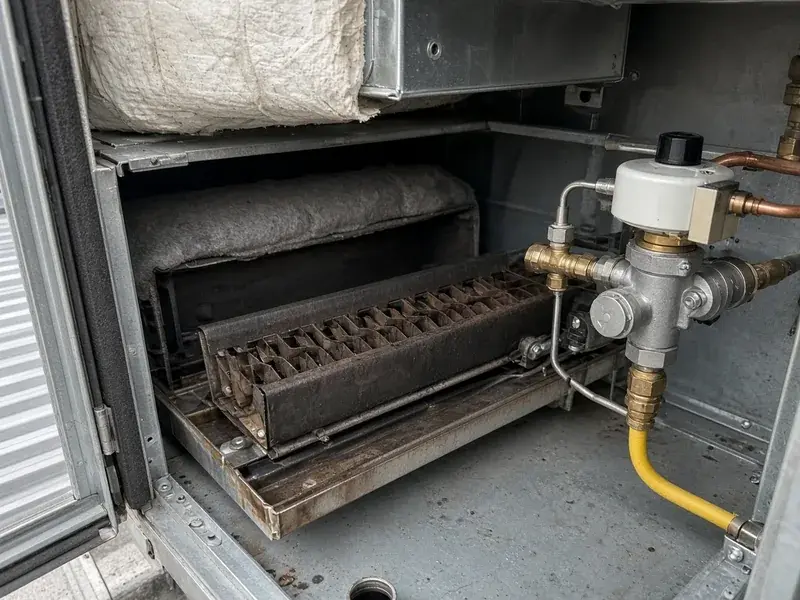
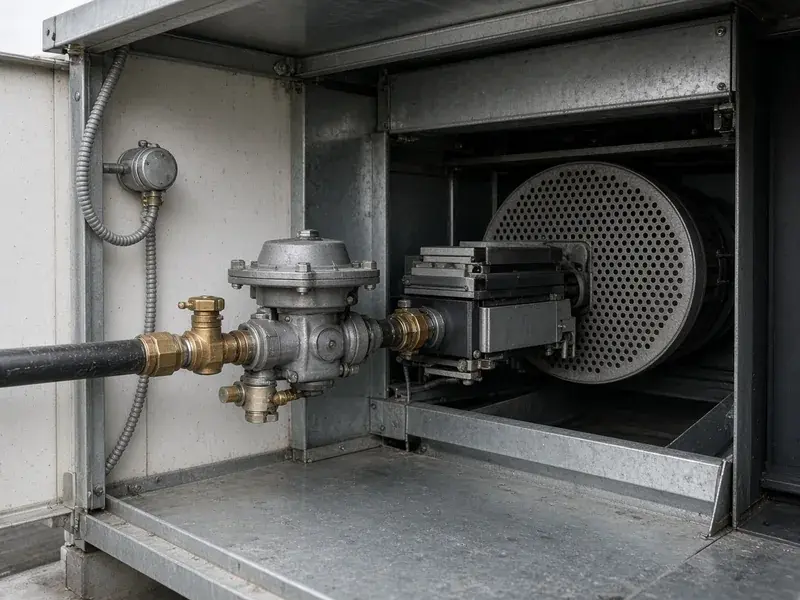
Gas heat sections get a combustion and heat-exchanger inspection. Technical Safety BC rules cover gas work. Make-up air units are sized to the exhaust CFM so the building does not go negative when the hood is on. Economizers are set for Fraser Valley wet air, not a desert enthalpy curve. Commissioning means verifying damper travel, thermostat staging, and a written reading log, not just flipping the disconnect and leaving.